
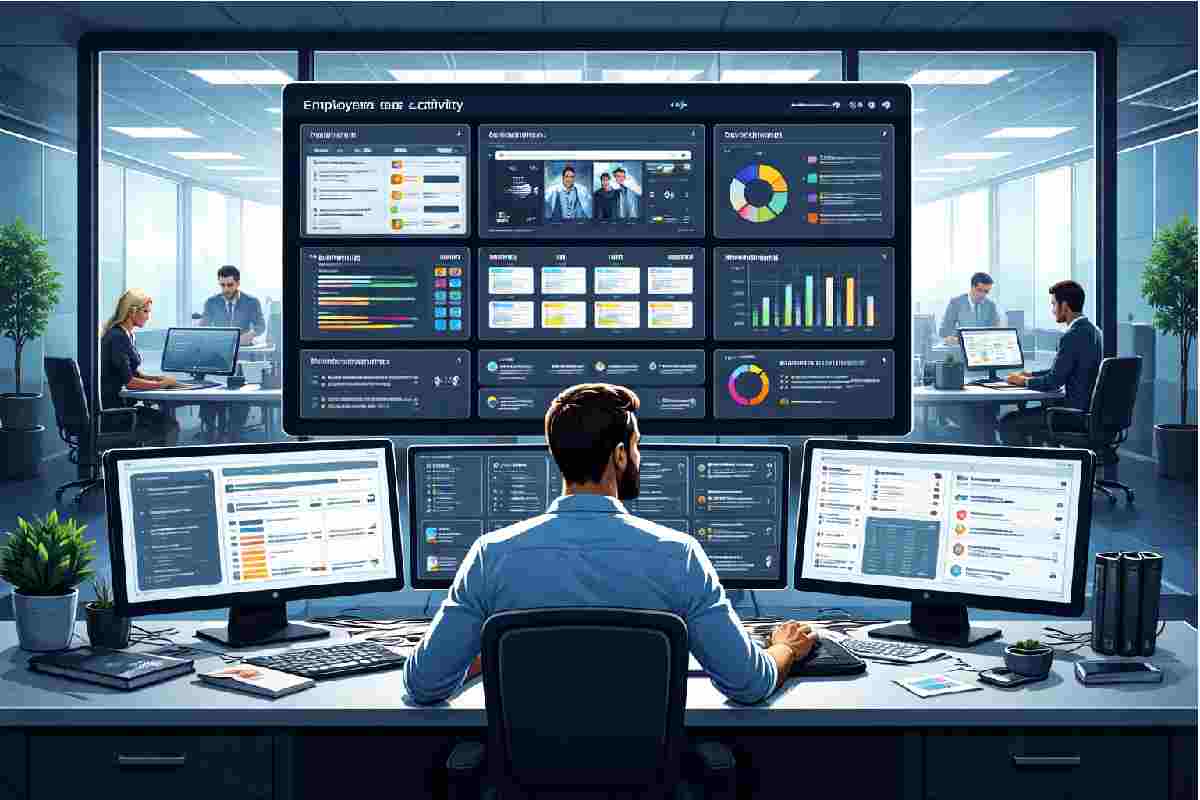
Maximizing employee computer monitoring software – As digital systems become the primary method of workflow management, and as employees begin working across various locations, it becomes paramount to manage performance. Computer monitoring software helps to see how employees work while maintaining the employee’s sense of privacy. These tools can help improve efficiency and focus in the remote work environment.
Controlio employee computer monitoring software embraces this approach. It provides balanced and flexible cloud monitoring while giving meaningful insight and analytics. Rather than viewing individual employee data, it emphasizes the productivity of employees as a group. This helps management to use their resources in a more effective way while helping to form a positive workplace culture.
The modern monitoring tools provided today encompass something greater than a mere time log. They provide deep insight into employee behavior through the use of internet activity monitoring. On top of that, employees can be viewed through the periodic screen captures that aid in monitoring productivity. Automation helps to reduce the distractions employees encounter and improve productivity. This can be noticed through the report detecting the peak productivity time.
Employee monitoring software integrates fully with productivity, human resources, and communication software to improve the efficiency of work reporting.
New AI capabilities can flag potential burnout based on usage data or recommend time-off adjustments. These AI features coupled with data analytics remove guesswork by providing actionable recommendations for improvement.
Table of Contents
Core Benefits Steering Uptake for 2025–2026
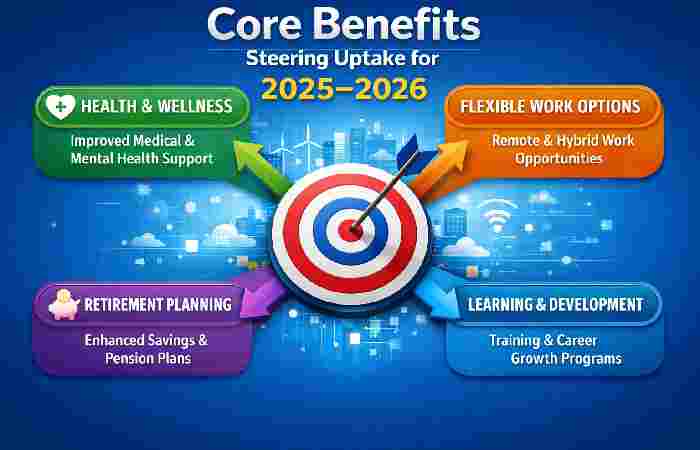
The benefits are obvious; organizations are able to achieve measurable results when monitoring is done correctly. Productivity increases as people are able to self-manage their time. Employees engage less in irrelevant digitally mediated interactions and more in functionally relevant work. Industry data indicates that monitoring can result in 15 to 25 percent increases in productivity.
When it comes to maintaining control of costs, the ability to accurately account for time results in better alignment with the payroll system, the reporting of less inadvertent overtime, and the ability to identify software licenses that are underutilized and can result in savings of thousands. These monitoring tools, unlike previous monitoring tools, allow for easy remote and hybrid productivity control by reducing productivity-related anxiety.
The tools also work wonders for the organization’s security, data protection, and compliance. In today’s world of increasing cybersecurity threats and data leaks, monitoring tools can protect the organization from loss due to poor data management and also assist in developing employees by identifying areas where skills and knowledge improvement are needed.
Addressing the Problems of Hybrid and Remote Working Directly
The flexibility of the work environment has made the need for monitoring more pronounced.
Without being physically present, it is harder to observe real engagement and identify potential bottlenecks. Fully remote project participation is supplemented by engagement and productivity tracking, attendance records, and deadline monitoring across different time zones to ensure the continuous flow of projects.
Risk reduction is another advantage to businesses. Central monitoring reinforces fair labor allocation and consistent data protection, benefiting advertising compliance or protection of sensitive information for remote employees. When combined with other forms of communication, monitoring creates trust. Employees appreciate the consistency of the leadership expectations, and remote leaders feel relaxed without the need for continuous monitoring.
Best Practices when Handling Data and Employee Monitoring Systems
With any data or system overreach, employee morale may be negatively impacted. Employee monitoring systems, legally, require employee consent and data and transparency. Ethics, in regard to monitoring, is about focusing on clear policies. Explain what is being tracked, what data is collected, and what is being done with it (e.g., to allocate resources equitably). Explain your policies on data retention to gain coworkers’ trust.
Best practices in employee monitoring systems include limiting data collection to work devices and time, encouraging a supervisory role by collecting data on workloads, and focusing on achieving positive outcomes. When coworkers believe that data collection is used for a shared purpose, it increases trust and improves company culture.
The Right Tool for the Right Job
Look for employee monitoring systems that fit your company size, provide clear and easy dashboards, integrate well with other systems and data, provide data encryption, customizable tracking, clear alerts, and good support from system vendors. Employee monitoring systems require a clearly defined purpose for justice, ethics, data collection, and policies and continuous evaluations and system updates.
Trust is the primary component of a systemic culture, data collection, and monitoring system to ensure the longevity of the data and system models. Continuously monitoring systems and evaluating policies provide coworkers with a sense of empowerment.
Future Directions: Intelligent and Sensitive Monitoring
AI will develop to more actively monitor and predict goal disengagement, support employees’ psychological well-being, and monitor activities. AI will boost employee engagement and improve workflow effectiveness, process automation, and seamless integration with collaboration tools. Focus will be on self-monitoring, increasing self-awareness and engagement while providing managers with a greater overall perspective, all while protecting employee privacy.
Answers to Common Questions
Are employee monitoring tools effective, or do they tend to have the opposite effect? When implemented transparently and with the goal of supporting growth, employee monitoring tools tend to be associated with significant increases—at times 15–25%—due to reduced multitasking and streamlined workflow. The sentiment or framing of the initiative is most important. It should be viewed as supportive, not punitive, to mitigate stress and resentment.
How can compliance and privacy be achieved with employee monitoring? Consent, data minimization, encryption, clear communication, and compliance with privacy laws will protect privacy. For example, the EU GDPR privacy legislation will require the use of consent forms, and the U.S. laws will require the use of a privacy notice.
What should businesses look for when selecting monitoring software? The most important attributes are the ability to expand or grow (scalability), simple integration with other software or tools, a simple and intuitive user interface, customizable privacy controls, and the ability to monitor only the information used to improve the organization. Make sure to do a test run or a trial to see to ensure that it is compatible with your organizational culture.
Final Thoughts: Productivity That Is Transparent and Future-Oriented
Employee monitoring software is not about control but about clarifying an intricate and distributed environment. When implemented and communicated effectively, it can result in increased output, improved protection of corporate data, better resource allocation, and real team development. As workplaces continue to change, the best leaders will adopt tools that combine technology and compassion to create an environment where everyone can succeed. The best strategy today can ensure success in the future, so explore carefully and lead boldly.