
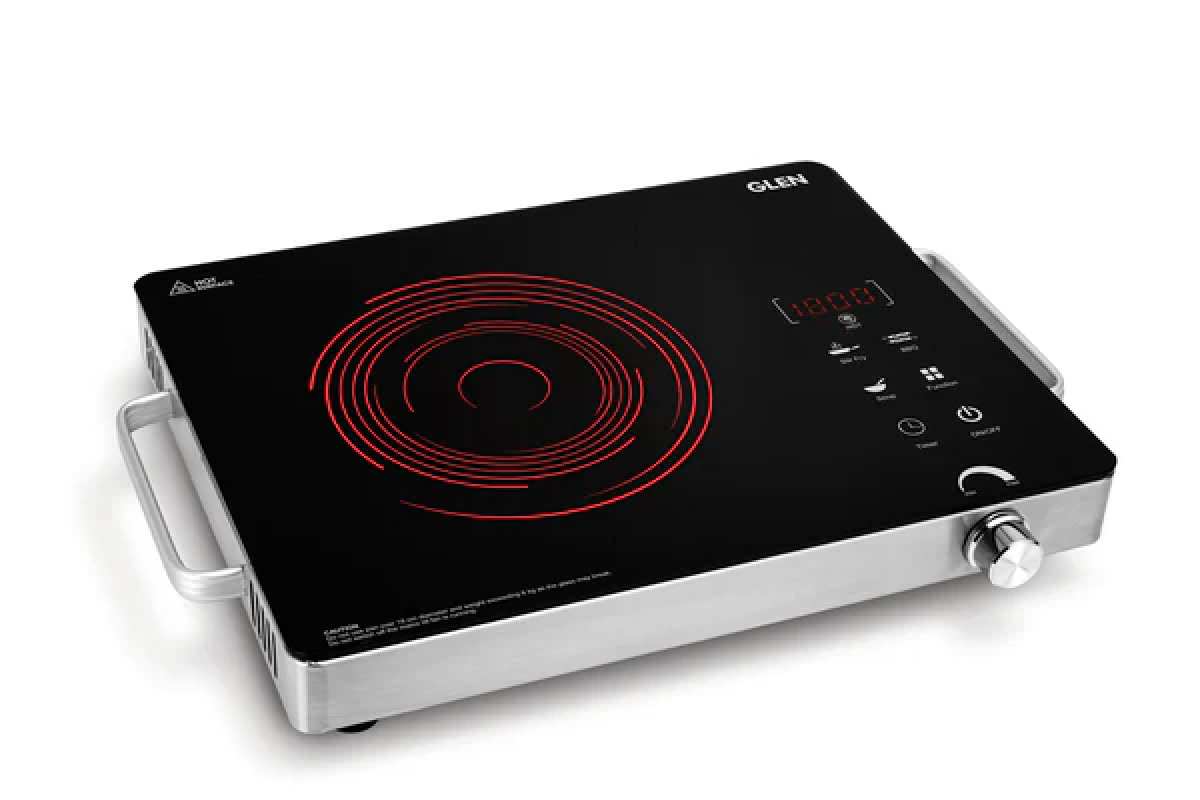
Induction Cooking Stove Taking Over Indian Kitchens – If you walk into a modern Indian kitchen today, something feels different. The noise is lower. The counters look cleaner. There’s less heat slapping you in the face the moment you start cooking. And no, this isn’t magic or some minimalist lifestyle phase. It’s usually because an induction cooking stove is sitting calmly on the countertop, doing its job without drama.
Indian cooking hasn’t changed much. We still temper mustard seeds, boil milk that somehow always tries to escape, and cook gravies that need patience. What has changed is how people want to experience cooking. Less mess, less heat, fewer gas cylinder worries. And that’s exactly why the induction stove conversation is happening in so many homes right now.
Let’s talk about why.
Table of Contents
The Real Kitchen Reality: Heat, Time, and Daily Chaos
Cooking in India is rarely a slow, aesthetic activity. It’s rushed mornings, lunchboxes, evening tea, and dinner that somehow ends at 10 PM. Traditional gas stoves work, no doubt. But they also bring:
- Excess heat in small kitchens
- Open flames (not always comforting)
- Oil stains around burners
- Regular cleaning that never feels “done”
- The constant “Is the gas cylinder running out?” anxiety
An induction cooking stove doesn’t magically erase kitchen stress, but it does reduce a surprising amount of it. And that’s why people who switch often say, “I didn’t expect it to make this much difference.”
What Exactly Is an Induction Cooking Stove?
An induction stove uses electromagnetic energy to heat the cookware directly. Not the surface. Not the air around it. Just the pan. Which means the stove itself stays relatively cool while cooking happens faster and more efficiently.
Instead of using fire to heat metal and then food, induction cooking stoves offer a direct approach. It’s focused and almost impatient, but in a positive way.
What this means for everyday cooking:
- Faster heating
- Better temperature control
- Less wasted energy
- A cooler kitchen environment
And no, your food doesn’t taste “electric.” That’s a myth that refuses to die.
Why Induction Cooking Just Makes Sense Today
Here’s where it gets practical. No tech jargon. Just real reasons.
-
Faster Cooking on Busy Days
Water boils more quickly. Milk heats faster. Gravy reaches a simmer without waiting forever. When time is short, an induction cooking stove doesn’t test your patience.
-
Less Heat, More Comfort
Especially in Indian summers, standing near a gas flame feels like punishment. An induction stove keeps ambient heat low, which your body absolutely appreciates.
-
Safety Feels Built-In
No open flame. No gas leaks. The stove shuts off automatically if no cookware is detected. If you have kids or elderly parents at home, this matters more than people admit.
-
Precision Control
Low flame on gas is still a flame. Induction lets you control temperature in small steps. Perfect for melting butter, slow cooking, or not burning garlic.
But Will It Work for Indian Cooking?
This is the most common hesitation. And honestly, it’s fair.
Indian food involves:
- Pressure cooking
- Deep frying
- Long simmering
- Constant stirring
- High heat and sudden temperature changes
A good induction cooking stove handles all of this. From making dal to frying pooris, it’s capable. The only adjustment? Using induction-compatible cookware. That’s it. Once that switch is made, the rest feels surprisingly normal.
Types of Induction Stoves You’ll Come Across
Not all induction stoves are built the same. Depending on your kitchen and habits, options vary.
| Type | Best For |
| Portable Induction Stove | Small kitchens, renters, occasional cooking |
| Built-In Induction Cooktop | Modular kitchens, daily heavy cooking |
| Single-Zone Induction Stove | Solo cooking, bachelors, quick meals |
| Multi-Zone Induction Cooktop | Families, parallel cooking |
The beauty is flexibility. You don’t have to redesign your kitchen to start induction cooking.
Features That Actually Matter
Modern induction cooking stoves come loaded with features. Some are genuinely useful, and some are not so much.
The ones that matter:
- Preset cooking modes (for common Indian dishes)
- Timer with auto shut-off
- Child safety lock
- Pan detection
- Overheat protection
- Easy-to-clean glass surface
Touch controls might feel odd for a day or two. After that, going back to knobs feels ancient.
Cleaning: Where Induction Really Wins
Let’s be honest. Cleaning gas stoves is annoying. Burner rings. Grease buildup. Those black stains that refuse to leave. An induction stove changes this completely.
- No burned-on spills
- Flat surface
- Wipe with a cloth, done
- No dismantling parts
When food spills over (and it will), it doesn’t burn instantly because the surface isn’t super hot. That alone saves time and frustration.
Energy Efficiency: The Quiet Advantage
Induction cooking stoves are more energy-efficient than gas and traditional electric stoves. Most of the energy goes straight into the pan, not into heating the room.
Over time, this means:
- Lower energy waste
- Faster cooking cycles
- Better use of electricity
It may not show dramatically in the first bill, but consistency adds up.
Common Myths That Need to Go
Let’s clear the air.
- Induction cooking is expensive: Initial cost? Sometimes. Long-term convenience? Absolutely worth it.
- Food doesn’t taste the same: Heat is heat. Taste depends on ingredients and technique, not flame visibility.
- It’s complicated to use: If you can use a smartphone, you can use an induction cooking stove.
- It won’t survive Indian kitchens: It already is. Quite successfully.
Who Should Seriously Consider an Induction Stove?
An induction cooking stove makes sense if:
- You cook daily and value speed
- Your kitchen heats up easily
- Safety is a concern
- You want less cleaning
- You’re setting up a modern or modular kitchen
Even if you don’t replace gas completely, many homes now use induction as a primary or secondary cooking option.
Let’s Sum Up!
Cooking will always involve effort. That won’t change. But the tools we use can either add to the struggle or quietly support us. An induction cooking stove does the latter. It simplifies, speeds up, and smooths out daily cooking without demanding much in return.
If you’re looking at induction cooking stove options that actually suit Indian kitchens and daily cooking habits, Glen Appliances is a name worth checking out. Their induction stoves are built with a clear focus on safety, efficiency, and features that make sense in real life, not just on paper.