
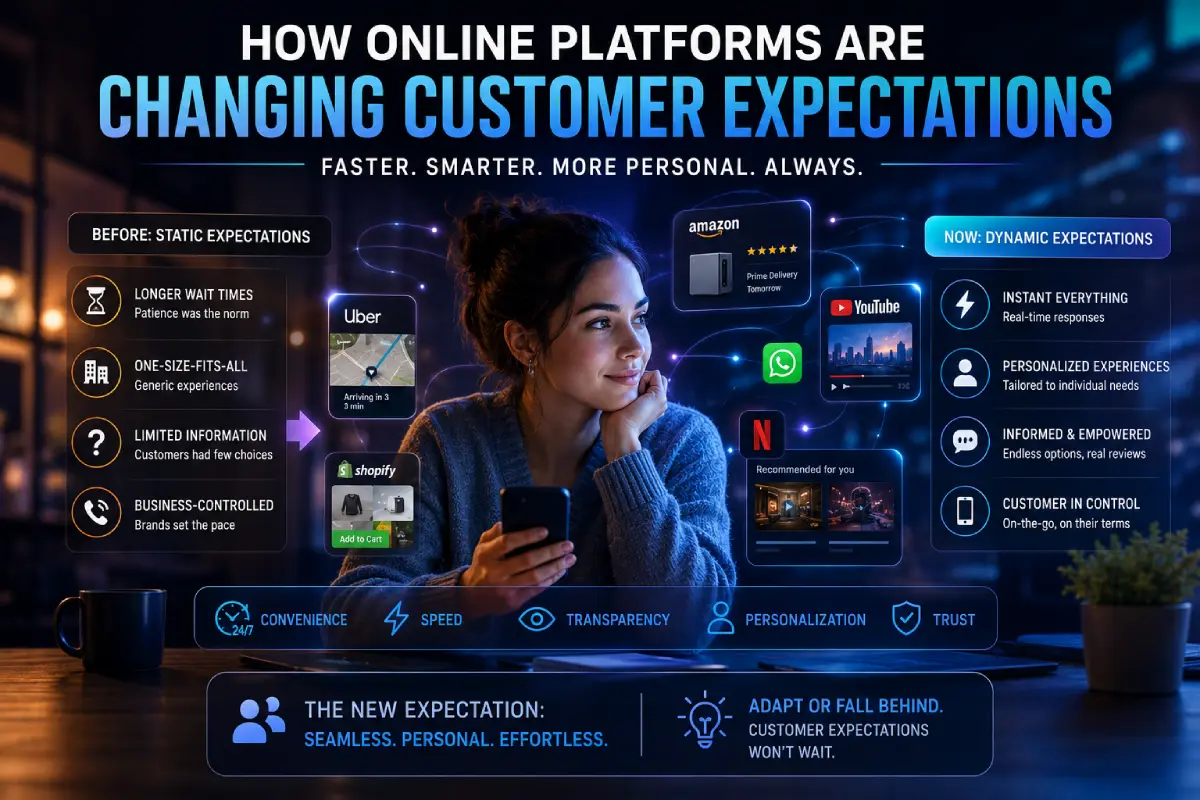
Online platforms have transformed the way people shop, book services, compare providers, and make everyday decisions. Whether someone is ordering groceries, scheduling a home repair, booking a vacation, or arranging vehicle transportation in New York, they now expect the process to be fast, simple, transparent, and available at their fingertips. As more industries move online, customer expectations continue to rise.
Table of Contents
Convenience Is No Longer Optional
One of the biggest changes online platforms have created is the expectation of convenience. Customers no longer want to make several phone calls, wait days for a quote, or visit multiple businesses in person before making a decision. They want information quickly and in one place.
Platforms that allow users to compare services, read reviews, check availability, and make bookings have set a new standard. Even in industries that were once handled offline, customers now expect digital access. For example, someone arranging vehicle transportation in New York may want to compare options, understand costs, and manage details online rather than relying on a slow back-and-forth process.
Transparency Builds Trust
Customers today are more informed than ever. Online platforms give them access to pricing, service details, ratings, customer feedback, and provider information. This level of transparency helps people feel more confident before making a purchase or booking a service.
Because of this, vague pricing or unclear service descriptions can quickly turn customers away. People want to know what they are paying for, what is included, and what to expect. Businesses that provide clear, honest information are more likely to earn trust and stand out from competitors.
Speed Matters More Than Ever
Online platforms have also changed how quickly customers expect responses. Instant confirmations, live tracking, automated updates, and fast customer support have become normal in many sectors. As a result, customers are less patient with delays or poor communication.
This does not mean every business must operate at the speed of a global delivery app, but it does mean responsiveness matters. A quick reply, a clear timeline, or an automated confirmation can make a big difference to the customer experience.
Reviews Shape Decisions
Customer reviews now play a major role in buying behavior. Many people trust real experiences from other users as much as, or even more than, traditional advertising. A strong online reputation can reassure potential customers, while poor reviews can make them look elsewhere.
This has made customer service more visible. Every interaction has the potential to influence future buyers, so businesses need to think beyond the single transaction. A satisfied customer can become a powerful advocate.
Personalization Is Becoming Expected
Many online platforms use customer data to make recommendations, remember preferences, and create smoother experiences. Over time, this has made personalization feel normal. Customers often expect platforms to understand their needs and make the process easier.
Businesses that can tailor communication, suggest relevant services, or simplify repeat purchases are more likely to keep customers engaged.
The New Standard for Customer Experience
Online platforms have raised the bar across nearly every industry. Customers now expect convenience, speed, transparency, reviews, and personalization as part of the standard experience. For businesses, adapting to these expectations is not just about keeping up with technology. It is about understanding how people now prefer to make decisions and creating a smoother, more reliable journey from start to finish.