
From Lab to Market – The journey of a new medicine is nothing short of miraculous. It starts as a vague idea in a scientist’s mind. It ends in the hands of a patient. That patient might be a grandparent fighting cancer. It could be a child with a rare genetic disorder.
The path between these two points is long. It is incredibly complex. It is filled with obstacles and setbacks. Yet somehow, brilliant innovations navigate this maze. They emerge as treatments that save lives. Understanding this journey reveals the true magic of modern medicine.
Table of Contents
The Spark of Discovery
Every therapy begins in a research lab. Scientists study diseases at their most basic level. They probe cells for weaknesses. They hunt for molecular targets. This work requires incredible vision. It also needs powerful tools.
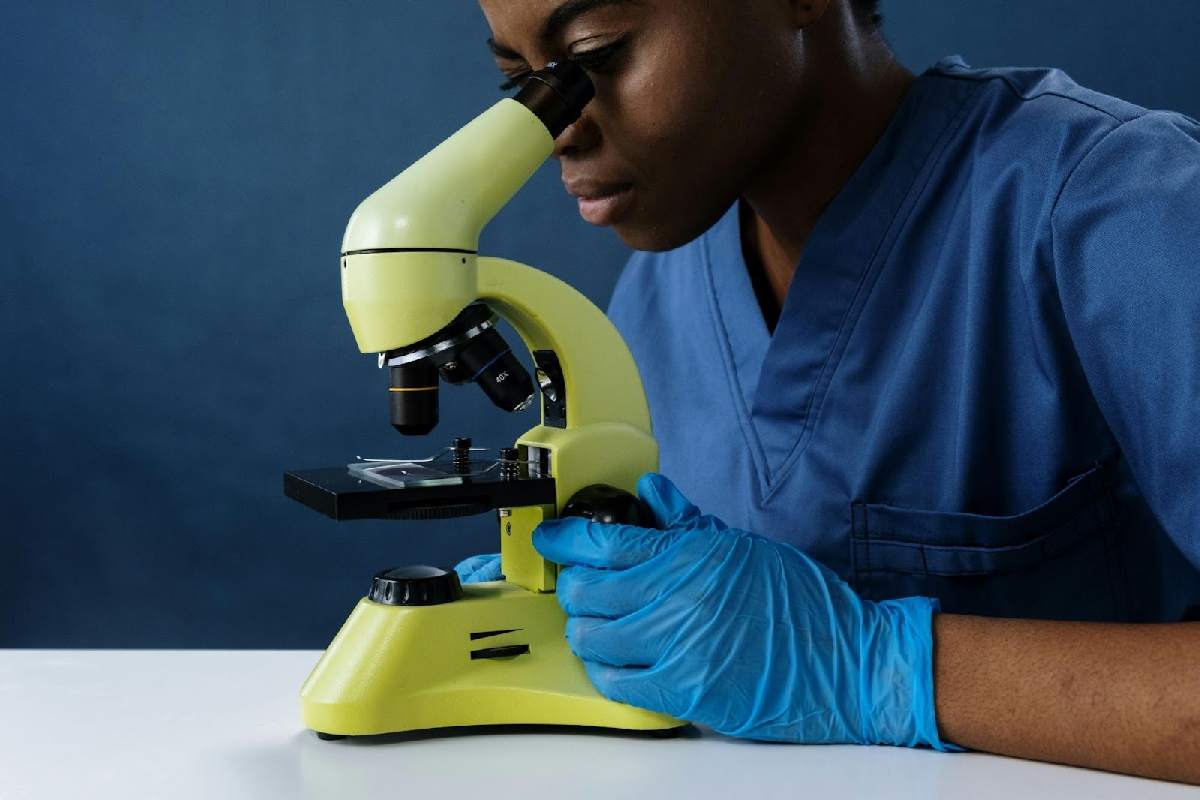
Researchers rely on advanced fluorescence microscopes to see the invisible. These instruments light up specific proteins and structures. They allow scientists to watch biology in action. This deep understanding sparks the first ideas for new treatments.
The Long Road of Validation
A promising idea is just the beginning. It must survive rigorous testing. Scientists spend years in the lab validating their findings. They repeat experiments hundreds of times. They test their hypothesis in different models. They use cells in dishes first.
Then they move to animal studies. Each step confirms the therapy is safe. Each step proves it actually works. This phase is slow and painstaking. It separates genuine breakthroughs from false leads.
Crossing the Valley of Death
There is a dangerous gap in drug development. It lies between discovery and human testing. This gap has a chilling name. It is called the Valley of Death. Many promising therapies die here. The reason is simple. Academic labs lack resources for large-scale testing. Companies are hesitant to invest without proof.
This is where translational research steps in. Specialized centers and venture funding help bridge this gap. They provide the resources needed to push discoveries forward.
The Clinical Trial Gauntlet
Once a therapy is ready, it enters clinical trials. This is the most public phase of development. It happens in three main stages. Phase I tests safety in a small group. Phase II expands to test effectiveness. Phase III involves thousands of patients worldwide.
Each phase has strict rules. Each phase is closely monitored. The data collected here determines if a drug reaches the market. It is a grueling process that can take a decade.
The Regulatory Hurdle
Before any medicine reaches patients, it must win approval. Regulatory agencies like the FDA review every piece of data. They scrutinize the science. They examine the manufacturing process. They weigh the benefits against the risks.
This review is incredibly thorough. It protects patients from unsafe or ineffective treatments. Receiving approval is a monumental achievement. It represents years of hard work validated by the highest authority.
Scaling Up for the World
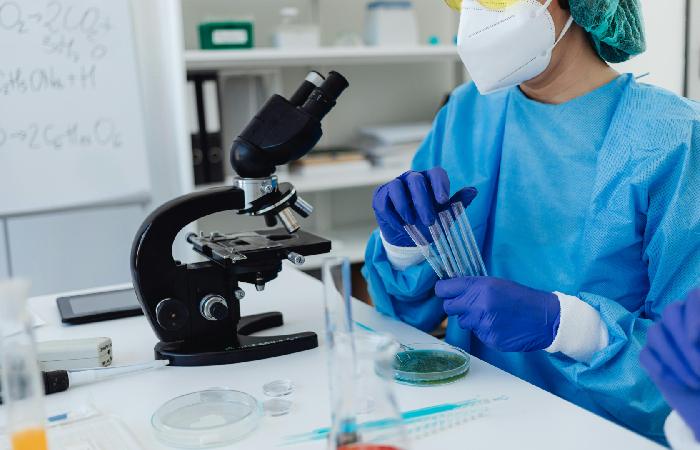
Approval is not the finish line. It is a new starting point. Now the therapy must be manufactured at massive scale. This is a huge challenge. A process that worked in a lab flask must now work in thousand-liter bioreactors.
Companies must build production facilities. They must ensure every single batch is identical. This scaling phase requires immense engineering expertise. It turns a scientific breakthrough into a reliable product.
Getting to the Patient
The final step is delivery. The therapy must reach the people who need it. This involves sales teams, distributors, and pharmacies. It requires educating doctors about the new treatment. It means navigating insurance and reimbursement systems.
For some rare diseases, patients are scattered across the globe. Reaching them requires a global infrastructure. This commercial engine ensures that the medicine does not sit on a shelf. It gets into the hands of waiting patients.
In Conclusion
The path from lab to market is long and winding. It takes over a decade on average. It costs billions of dollars. It requires the effort of thousands of people. Yet this journey happens over and over again. New therapies emerge every year. They treat previously incurable diseases. They extend lives. They offer hope.
The system is far from perfect. But it works. It transforms a spark of curiosity into a medicine that changes everything. That is the true miracle of biotechnology.